
Root Canal Treatment in Pomona & Brooklyn
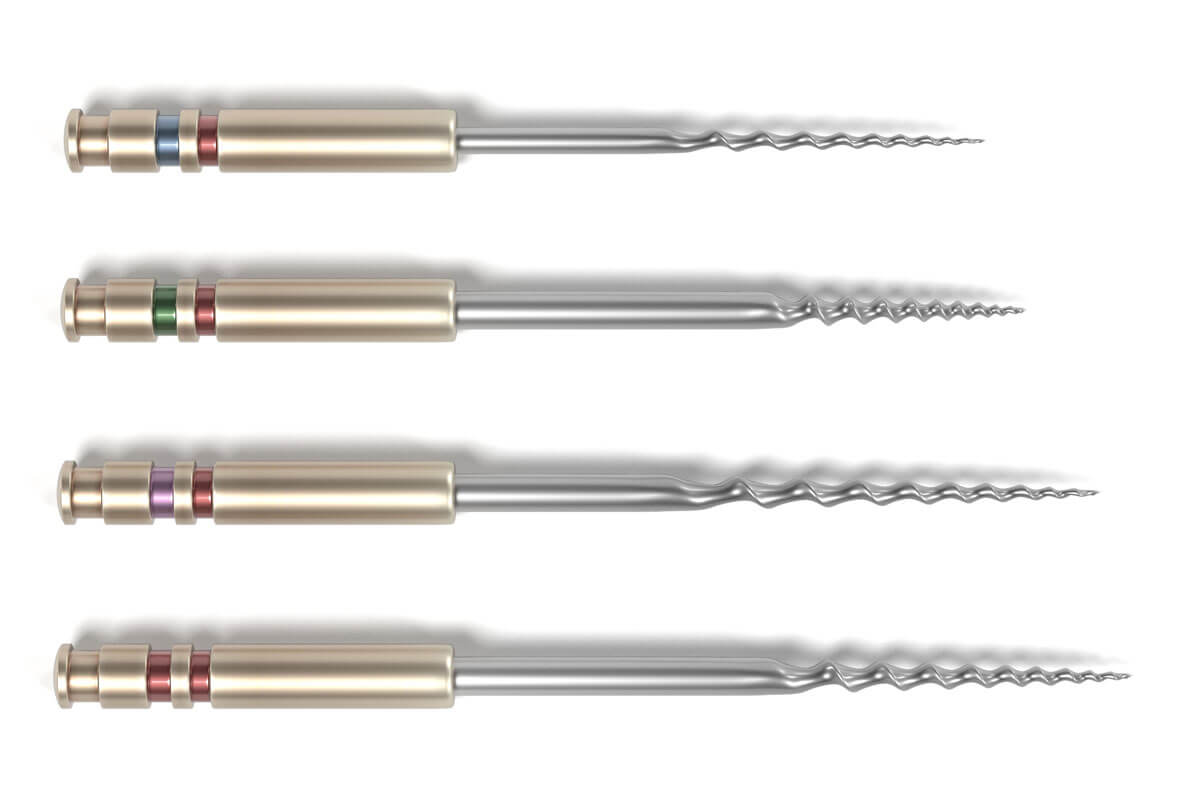
Root canal, or endodontic, treatment may be necessary when the pulp tissue inside the root canals of a tooth becomes infected or damaged, which can be caused by dental trauma or decay. The pulp, which is located inside the root canals, contains blood vessels, nerves, and connective tissue. A tooth generally has between one and four root canals. A root canal procedure may be performed on a single root canal or multiple root canals within a tooth.
When is Root Canal Treatment Necessary?
Deep inside each tooth is a pocket of soft tissue called the pulp, which contains nerves, blood vessels, and connective tissue. If this pulp becomes inflamed or infected due to deep decay, repeated dental procedures, or a crack in the tooth, it can cause distress.
Common signs that you may need a root canal include:
- Persistent Pain: Severe toothache, especially when biting or applying pressure.
- Temperature Sensitivity: Lingering pain after exposure to hot or cold foods.
- Gum Swelling: Tenderness or a small, pimple-like bump on the gums near the affected tooth.
- Tooth Discoloration: A darkening of the tooth, indicating internal damage.
The Root Canal Process
Our primary goal is to save your natural tooth whenever possible. During the procedure, our skilled dentists carefully remove the damaged pulp, thoroughly clean and disinfect the canals inside the tooth, and then fill the space with a biocompatible material called gutta-percha.
Once the interior of the tooth is sealed, we typically place a dental crown over the tooth. This restores its full strength and protects it from future fractures, allowing you to chew and speak with total confidence.
During this procedure, we use computer guided dental anesthesia during root canal therapy to ensure the patient's comfort. Once the crown of the tooth is opened, the doctor can access the root canal. We use a computerized device called an Apex Locator to obtain proper length of the canal which ensures that the canal is completely free of debris, dramatically reducing possible complications. The pulp tissue in the infected root canal is removed and the canals cleaned.
A series of files is used to remove any remaining tissue, slightly enlarge the canals, and smooth the walls of the canals. Once any infection has completely cleared up, which could take a few days or longer, the root canals are sealed with a material called gutta percha or with root canal sealer to prevent bacteria or debris from entering the root canals and causing further infection. Finally, the crown of the tooth is sealed with a filling or crown.